
CONDITIONS & TREATMENTS
The conditions we treat.
The care you may need.
One place to explore vein conditions, arterial circulation, interventional radiology and diabetic-foot care at Advitiya Vascular Centre.
Consultations, assessment and follow-up take place at our Jayanagar centre. Procedures requiring hospital facilities are coordinated at partner hospitals.
EXPLORE OUR SCOPE
Four areas. One coordinated approach.
Explore testing and assessment ↓ · Patient questions & answers ↓
01 / CONDITIONS
Vein conditions
From visible varicose veins to deeper circulation problems, assessment helps identify the cause and guide treatment.

Varicose veins and spider veins. Enlarged or visible veins, aching, heaviness, itching and related concerns.
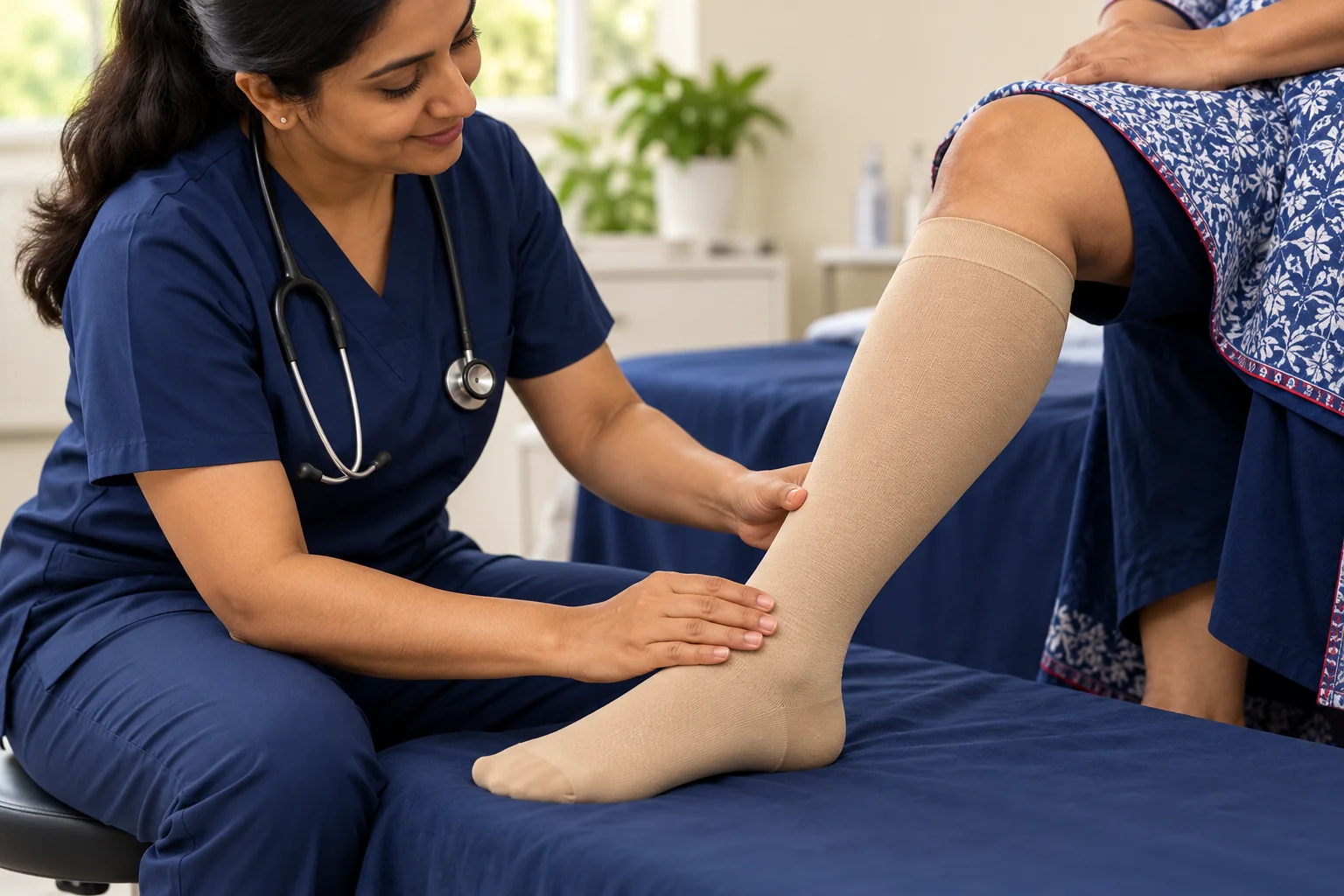
Chronic venous insufficiency. Persistent swelling, venous eczema, skin pigmentation, hardening of skin and venous leg ulcers.
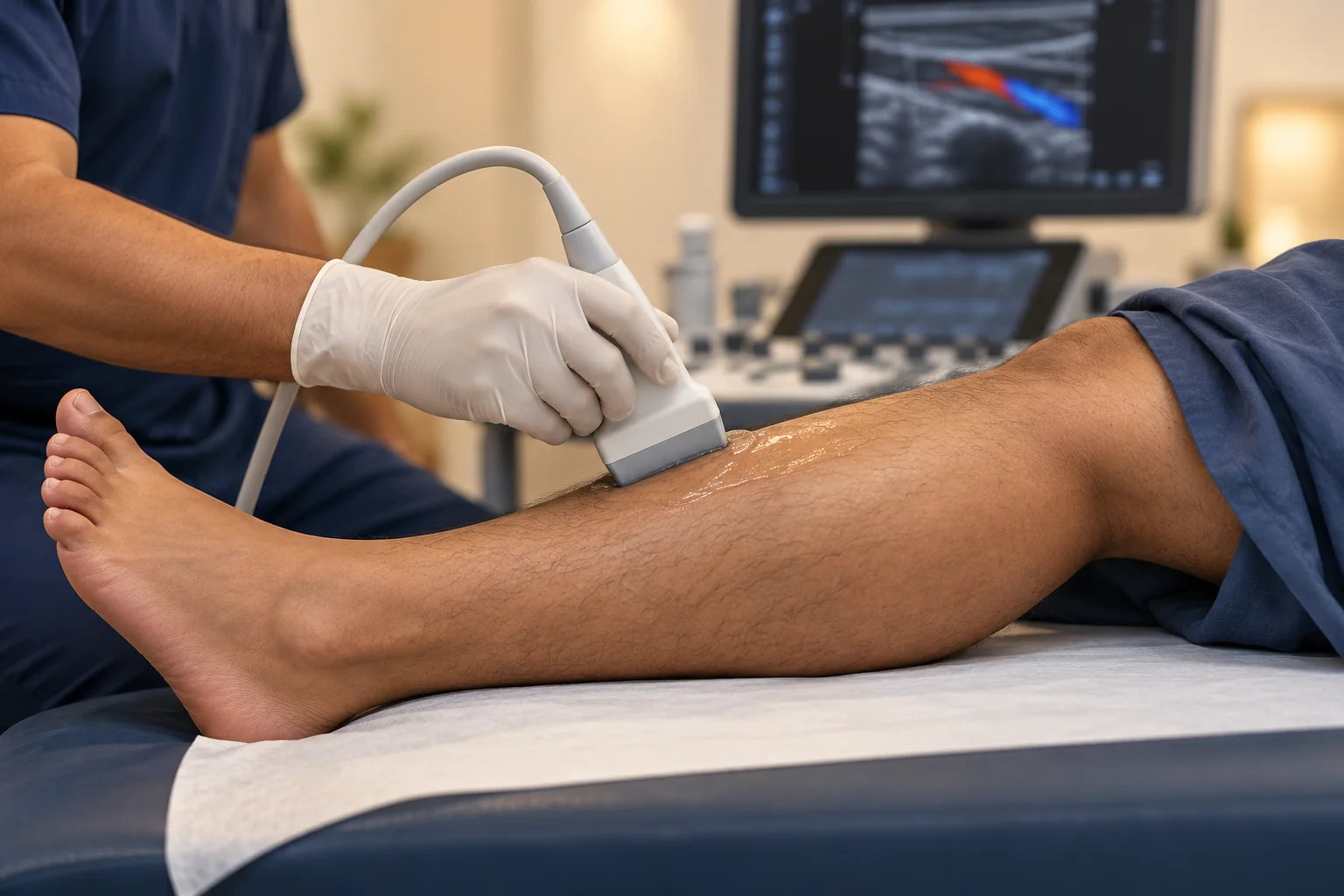
Deep vein thrombosis (DVT). Assessment of suspected or previously diagnosed deep-vein clots and their longer-term effects.
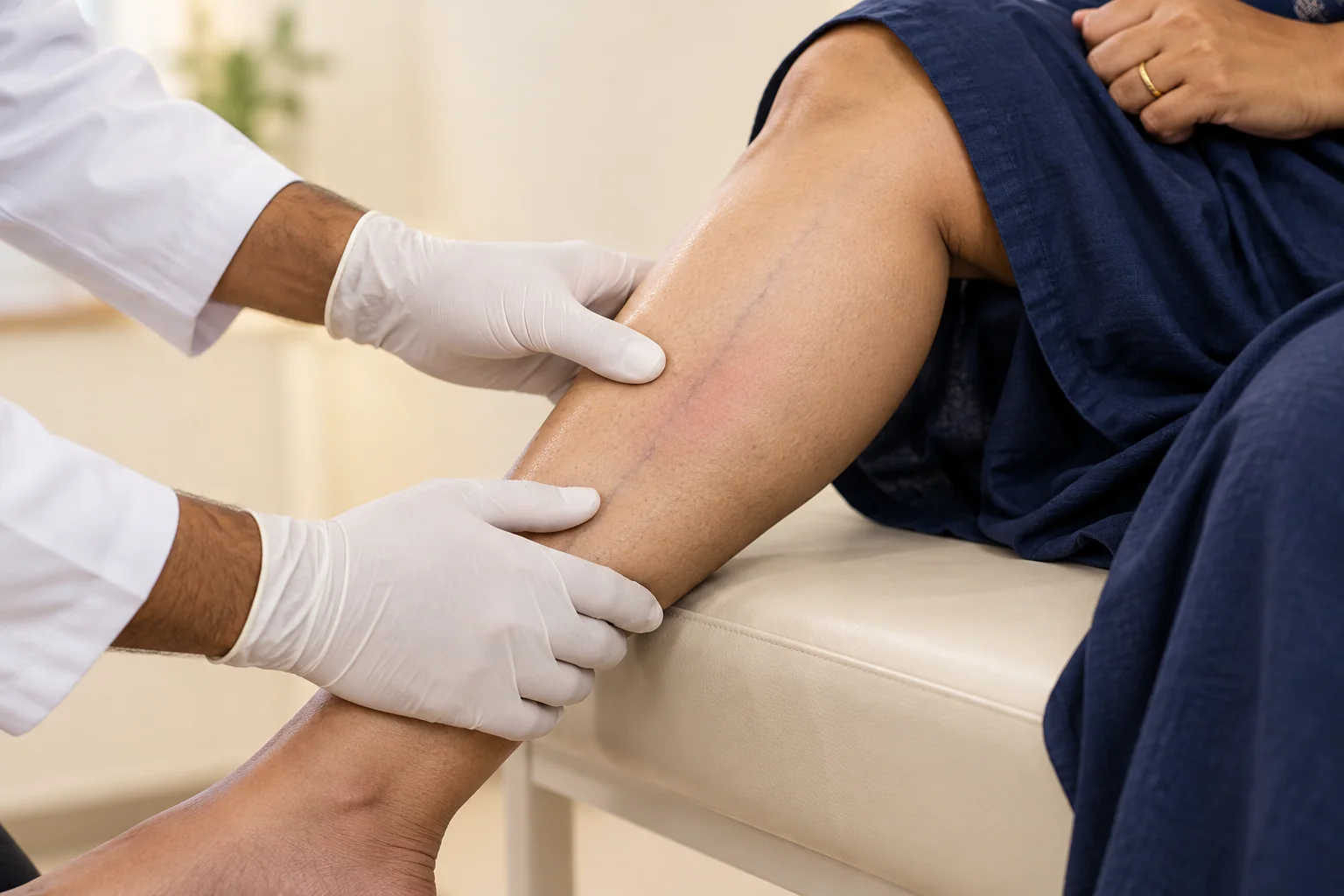
Superficial thrombophlebitis. Painful inflammation or clotting in veins near the skin surface.
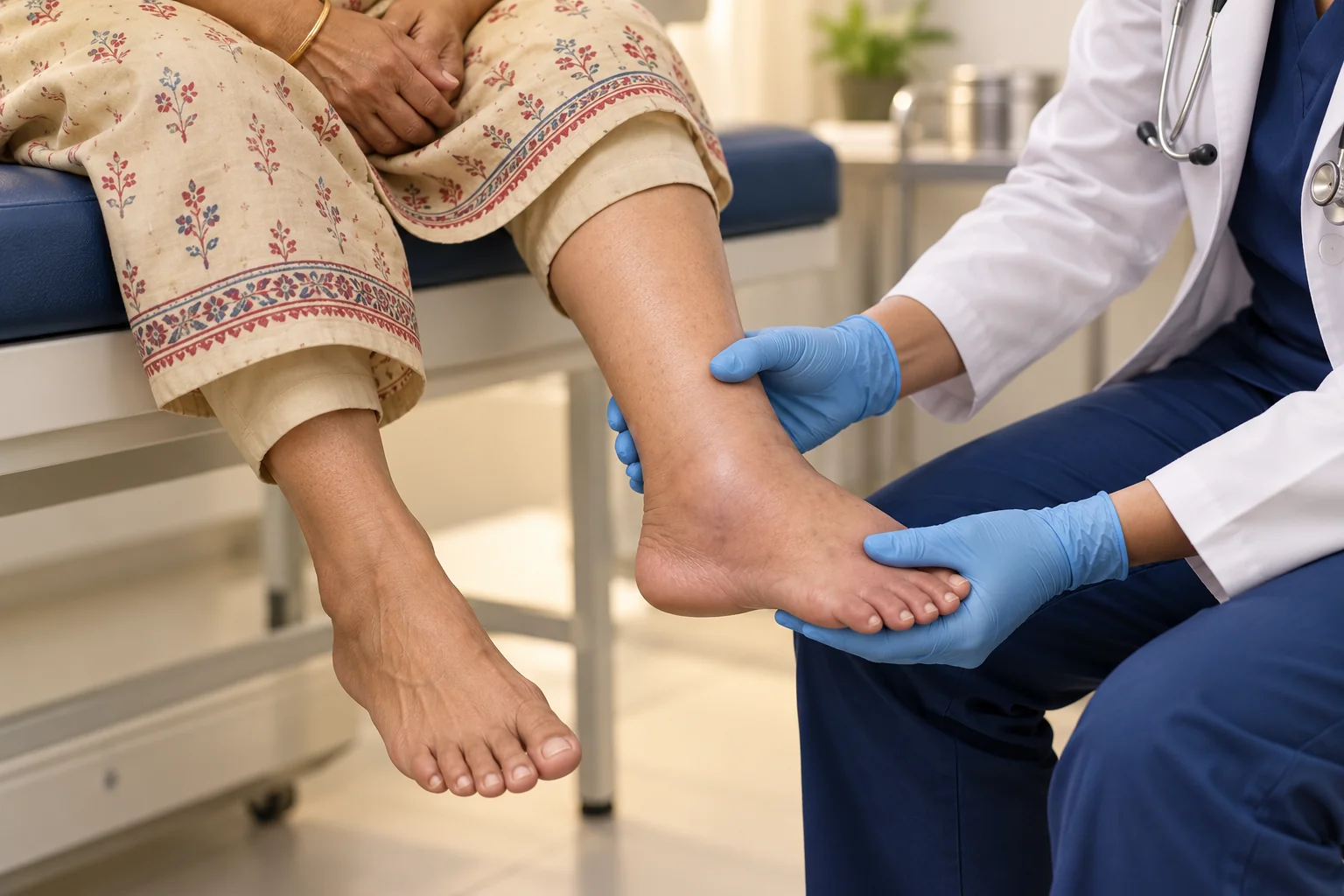
Post-thrombotic syndrome and venous obstruction. Ongoing swelling, discomfort or skin changes after DVT; selected deep-vein narrowing or blockage.

Leg swelling and lymphoedema. Assessment to distinguish venous or lymphatic causes from other medical problems; referral when needed.
Depending on the findings, care may include compression, skin and wound care, medicines or a vein procedure. Duplex ultrasound helps plan suitable treatments such as endovenous ablation or sclerotherapy; deeper-vein interventions require specialist selection.
02 / CONDITIONS
Arterial circulation
Arterial problems can reduce blood supply to a limb or affect the strength and structure of a blood vessel.

Peripheral arterial disease (PAD). Reduced leg circulation, including walking-related pain or cramping called intermittent claudication.
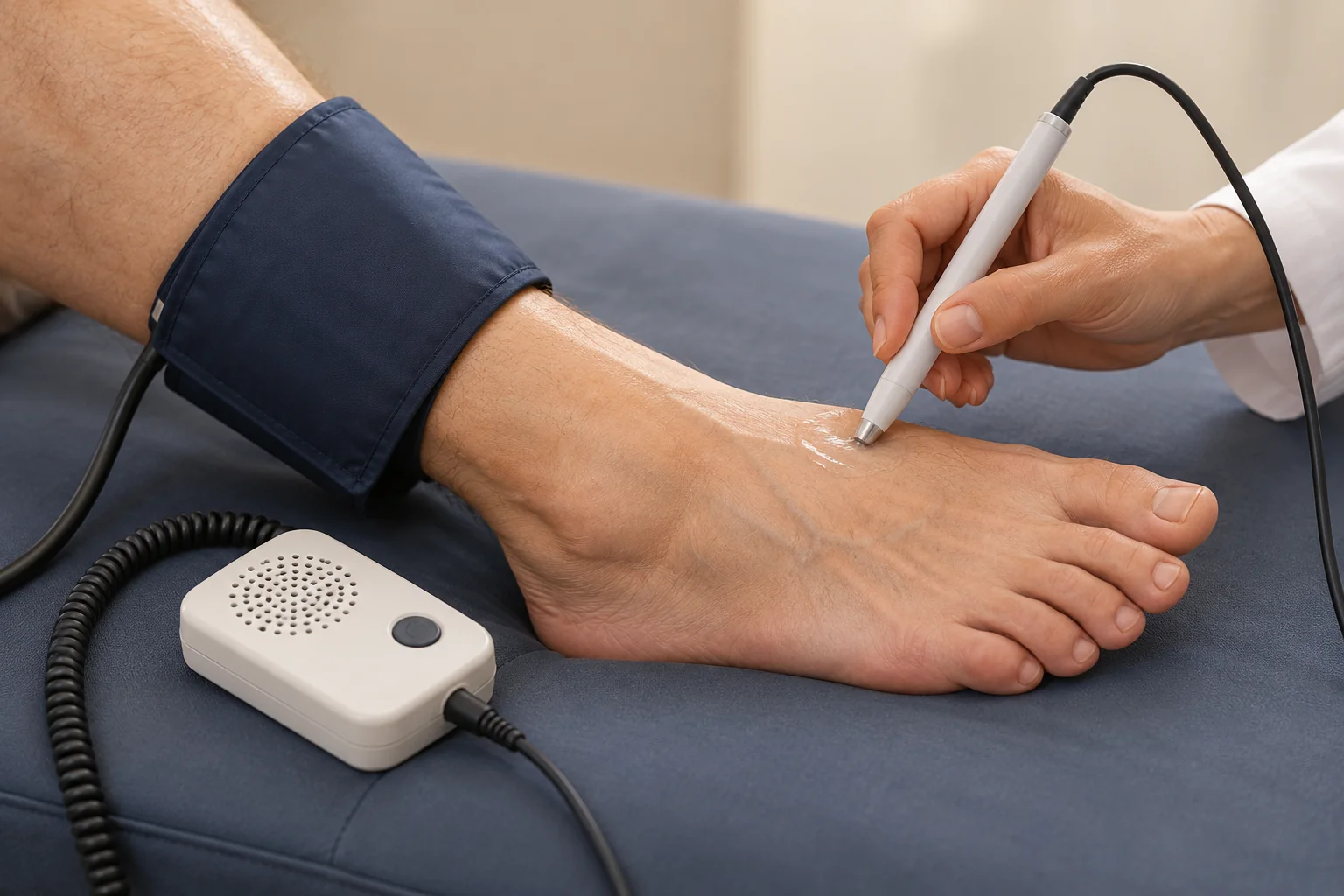
Chronic limb-threatening ischaemia. Rest pain, poorly healing wounds or gangrene associated with severely reduced blood supply.
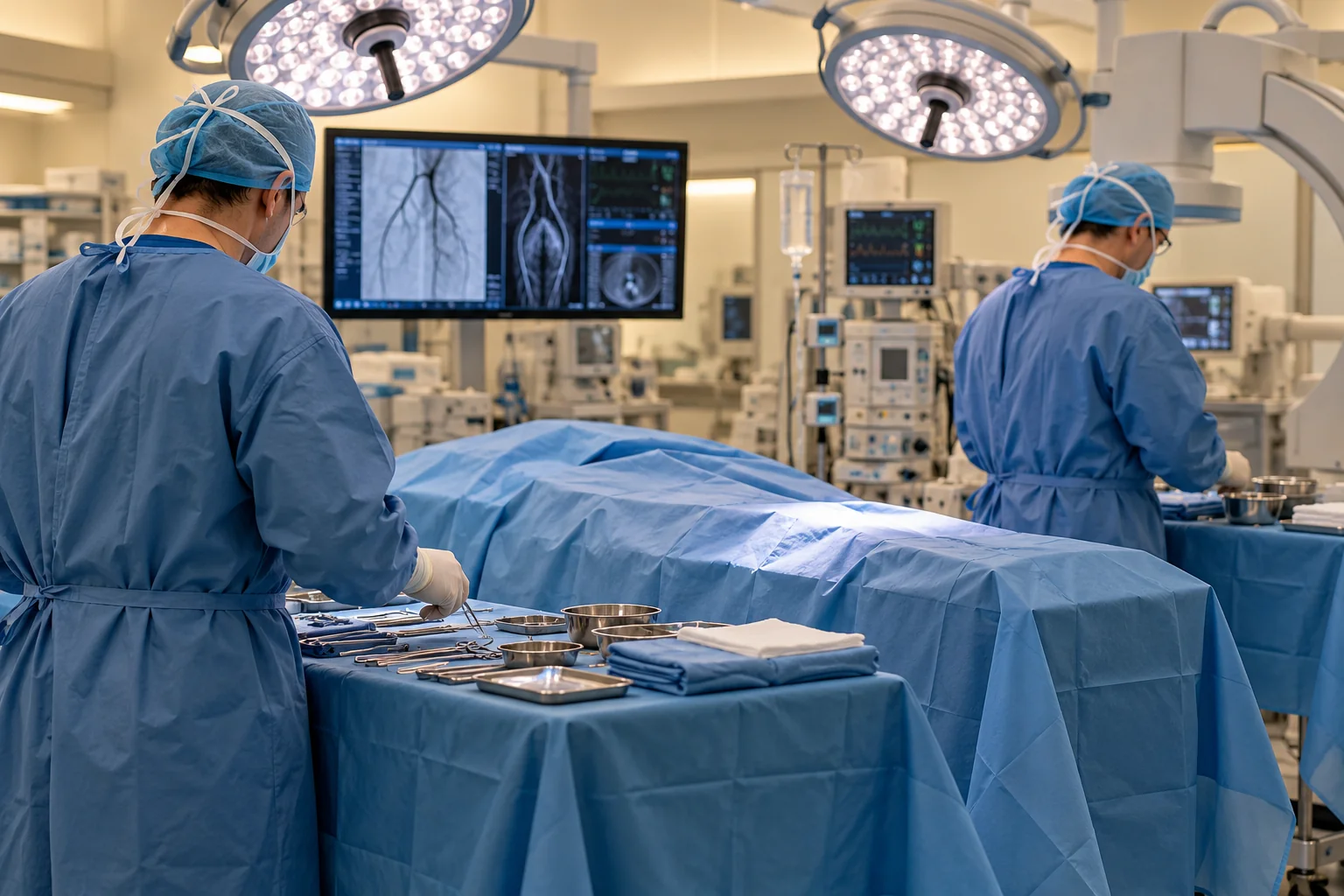
Acute limb ischaemia. A sudden loss of blood supply to a limb requiring emergency hospital assessment.
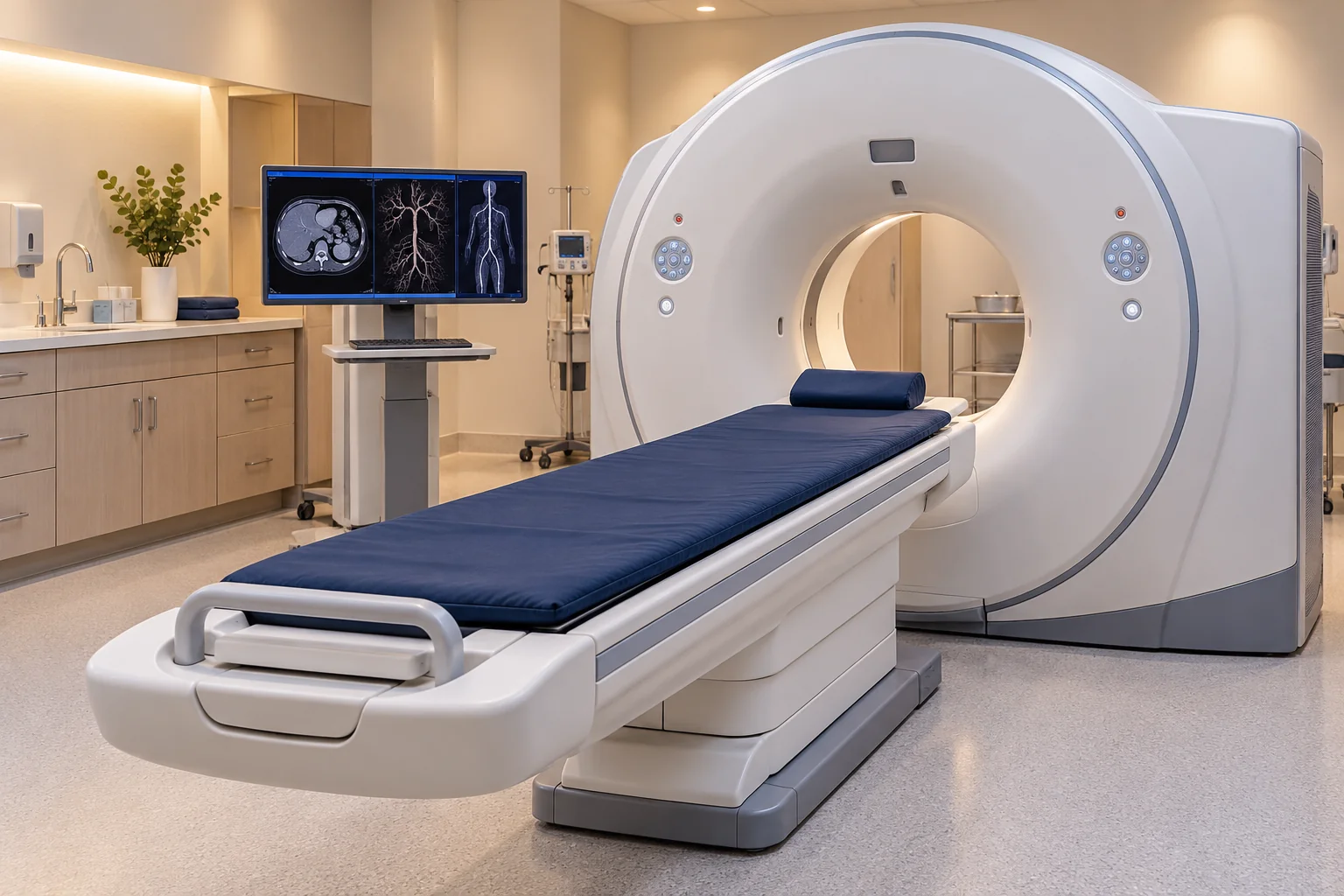
Aneurysms, pseudoaneurysms and aortic dissection. Assessment and hospital-based planning for abnormal vessel enlargement, injury or separation of the aortic wall.
Vascular injuries. Blood-vessel injuries following trauma or procedures, with urgent hospital care when indicated.
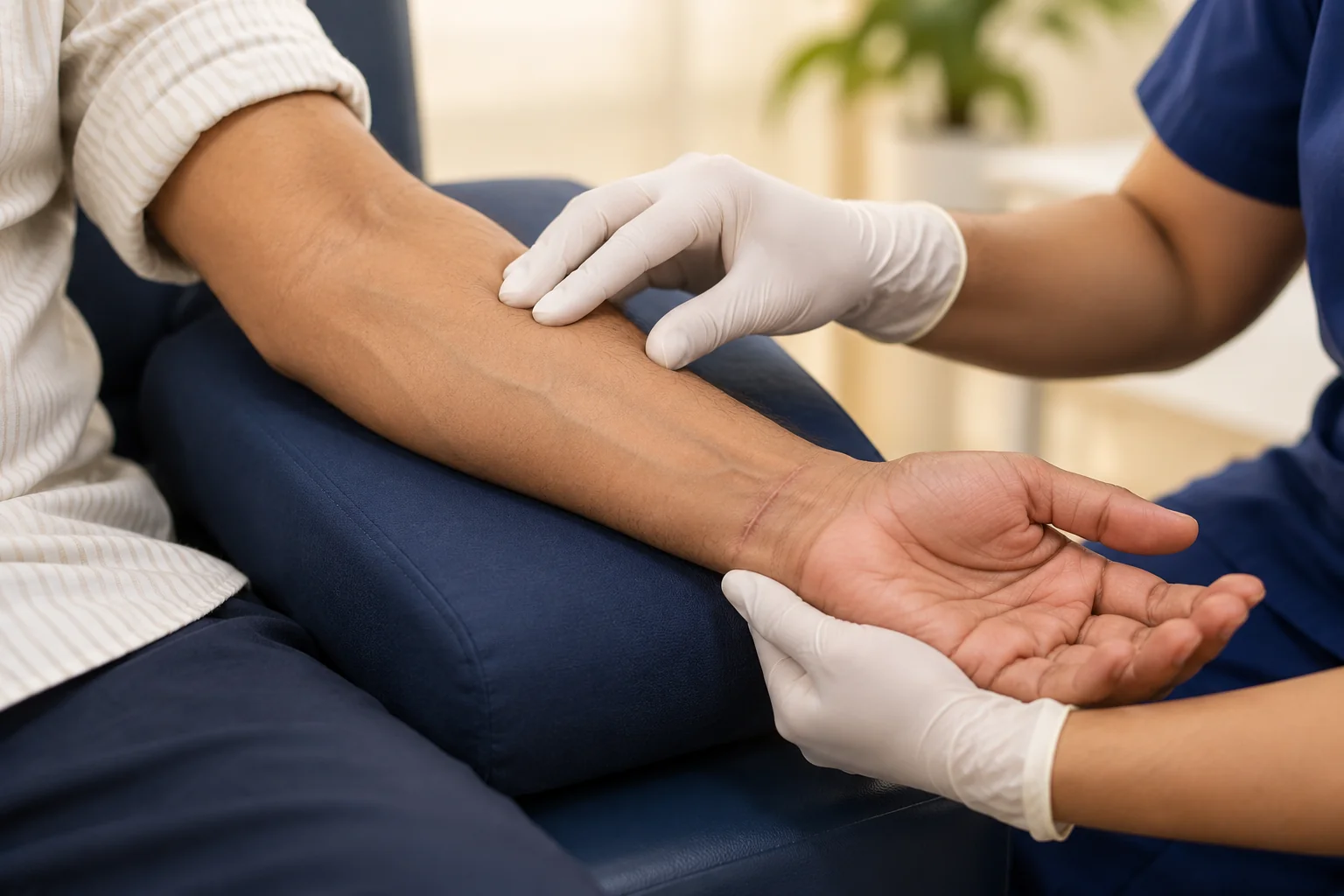
Dialysis access. AV fistula planning and creation, and assessment of narrowed, blocked or poorly functioning fistulas and grafts.
Treatment may involve risk-factor management, medicines and a walking programme, or revascularisation when indicated. Angioplasty, stenting, bypass surgery and other major vascular procedures are planned at partner hospitals according to the diagnosis and anatomy.
03 / CONDITIONS
Interventional radiology
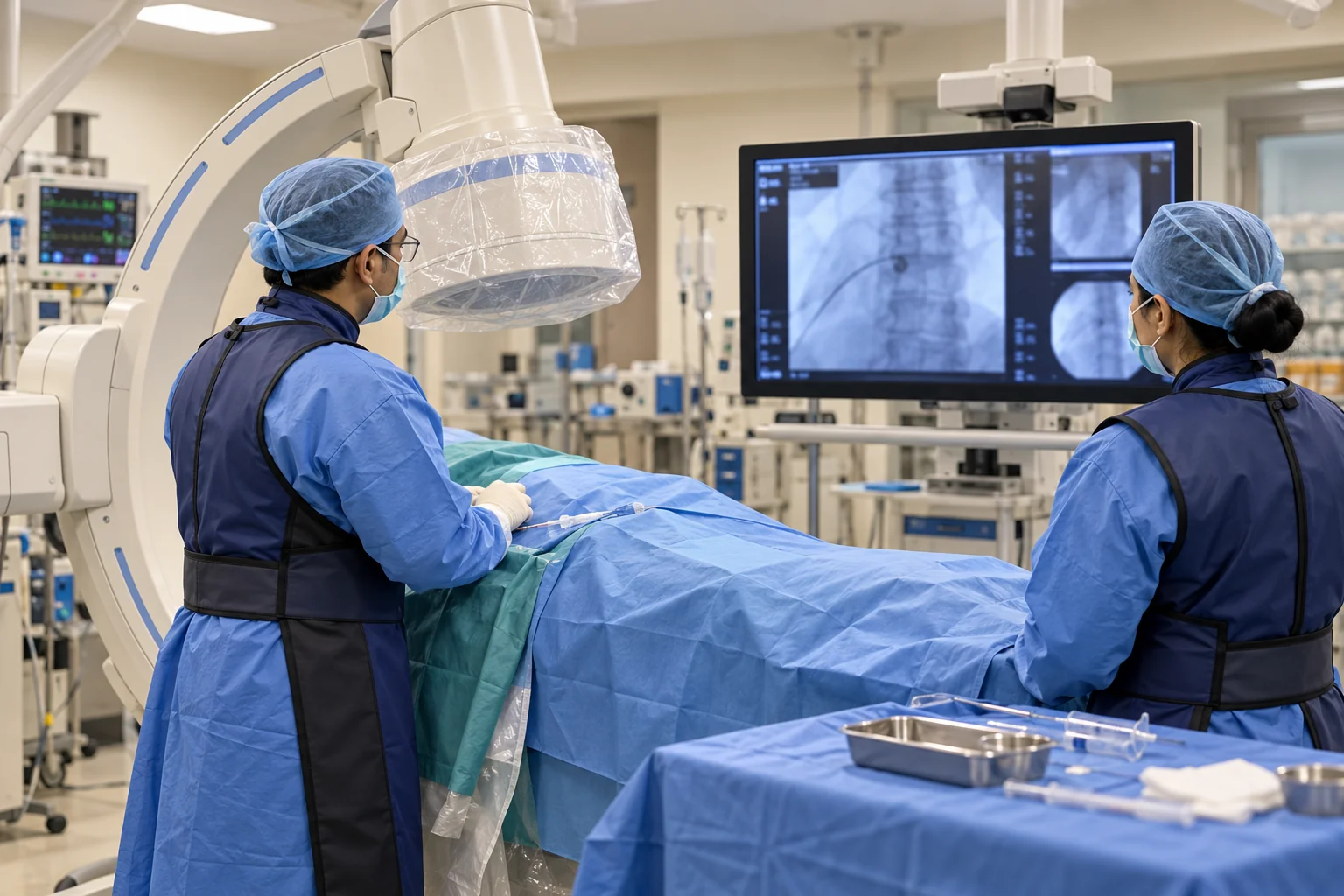
Image-guided procedures can help diagnose or treat selected conditions through needles, catheters or small access points. Suitability is assessed individually.
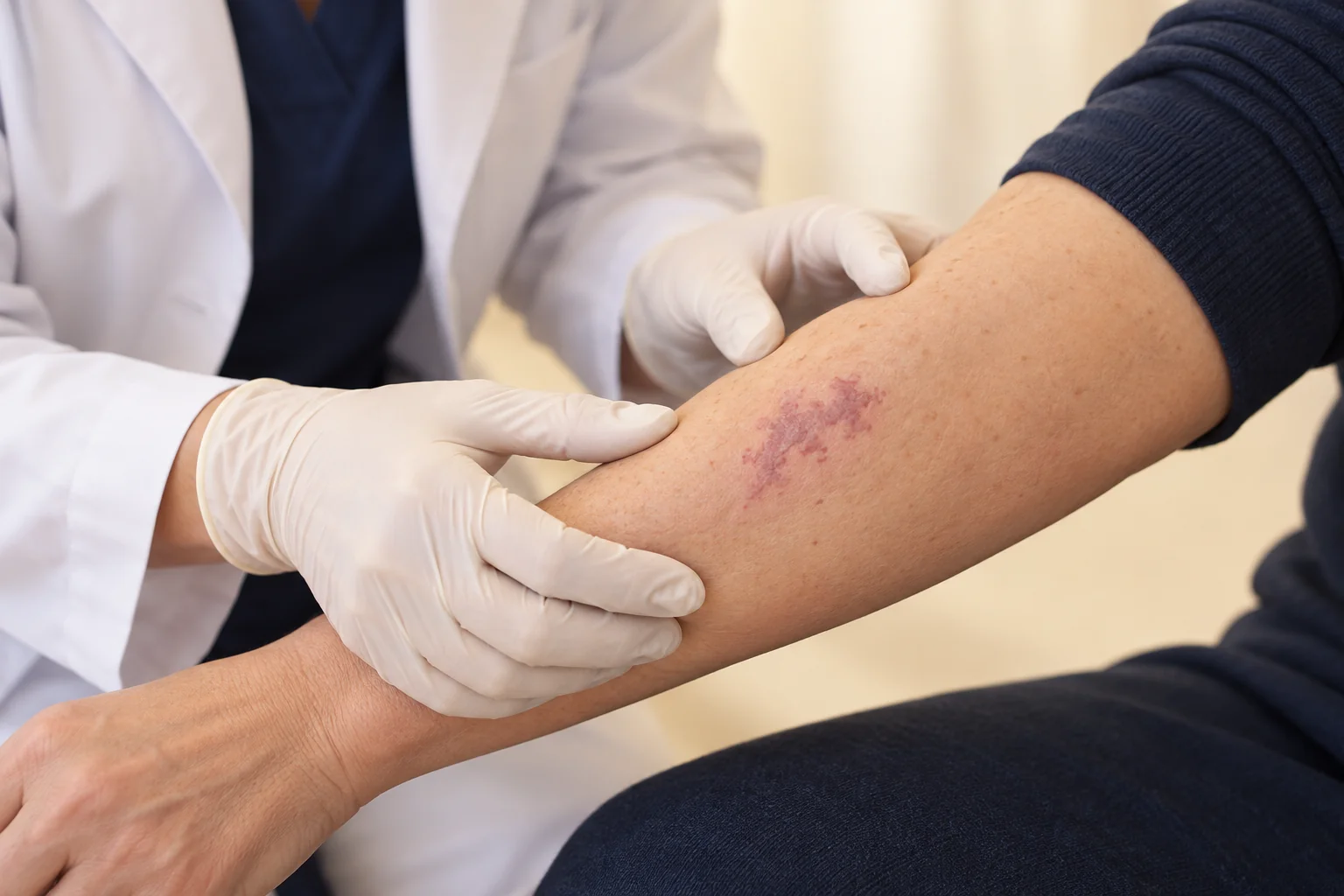
Vascular malformations. Arteriovenous, venous and lymphatic malformations; selected paediatric cases need specialist hospital coordination.

Fibroids and varicocele. Assessment for embolisation where appropriate, coordinated with the relevant treating specialist.
Bleeding and vascular emergencies. Selected embolisation procedures for internal bleeding, coughing up blood or postpartum bleeding in a hospital setting.
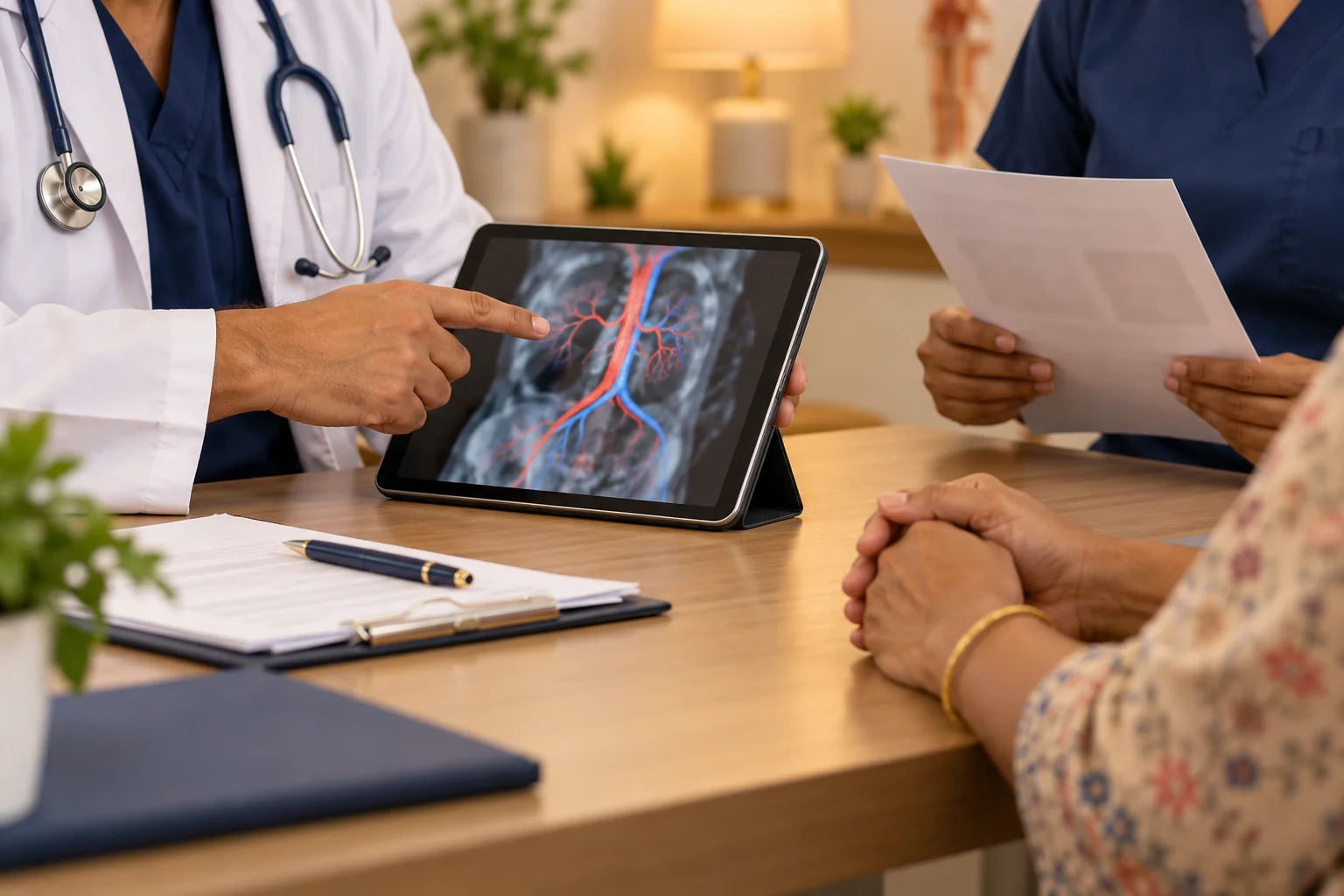
Cancer-related interventions. Selected tumour ablation and embolisation within a multidisciplinary oncology treatment plan.
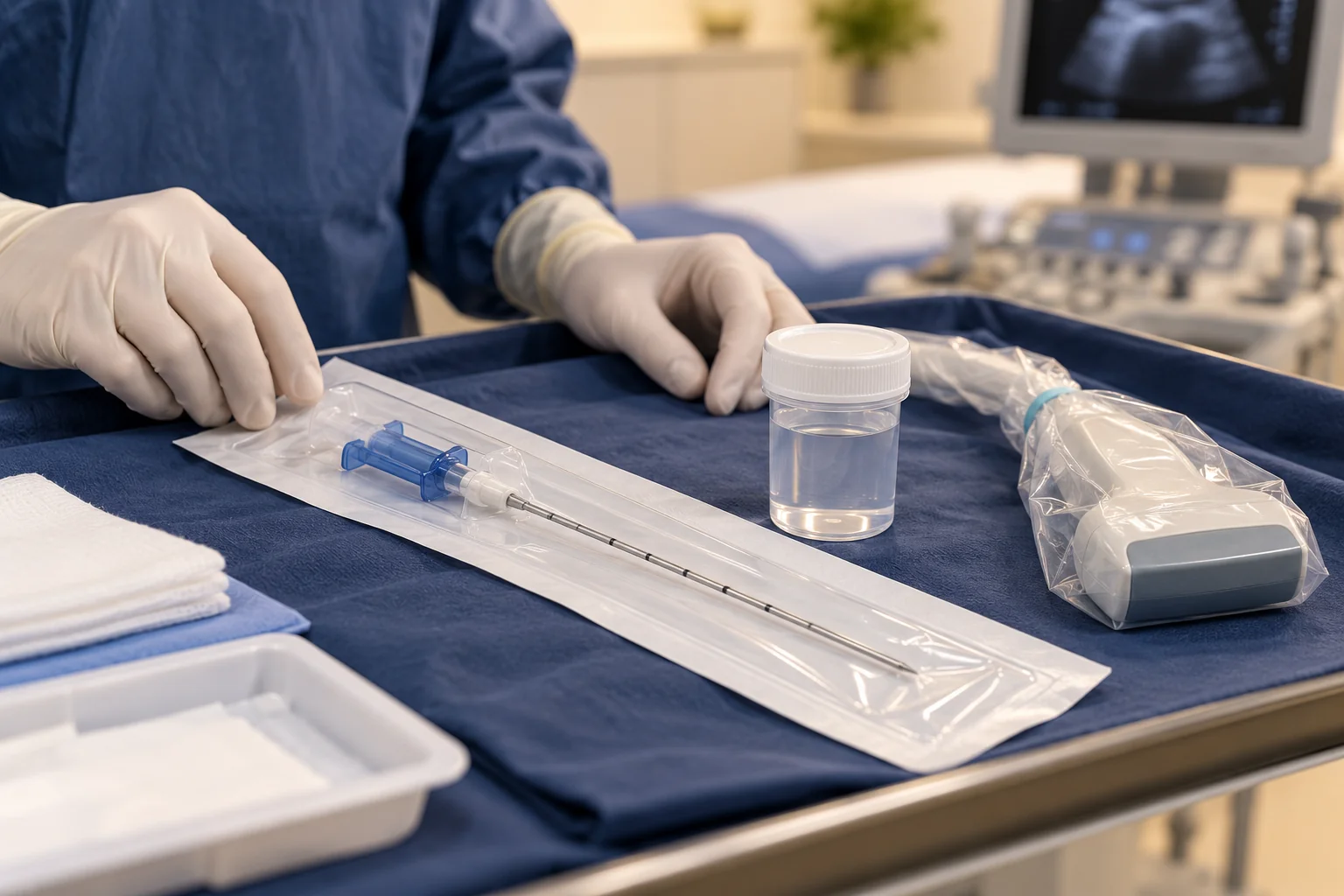
Biopsy and drainage. Image-guided tissue sampling, abscess or fluid-collection drainage.
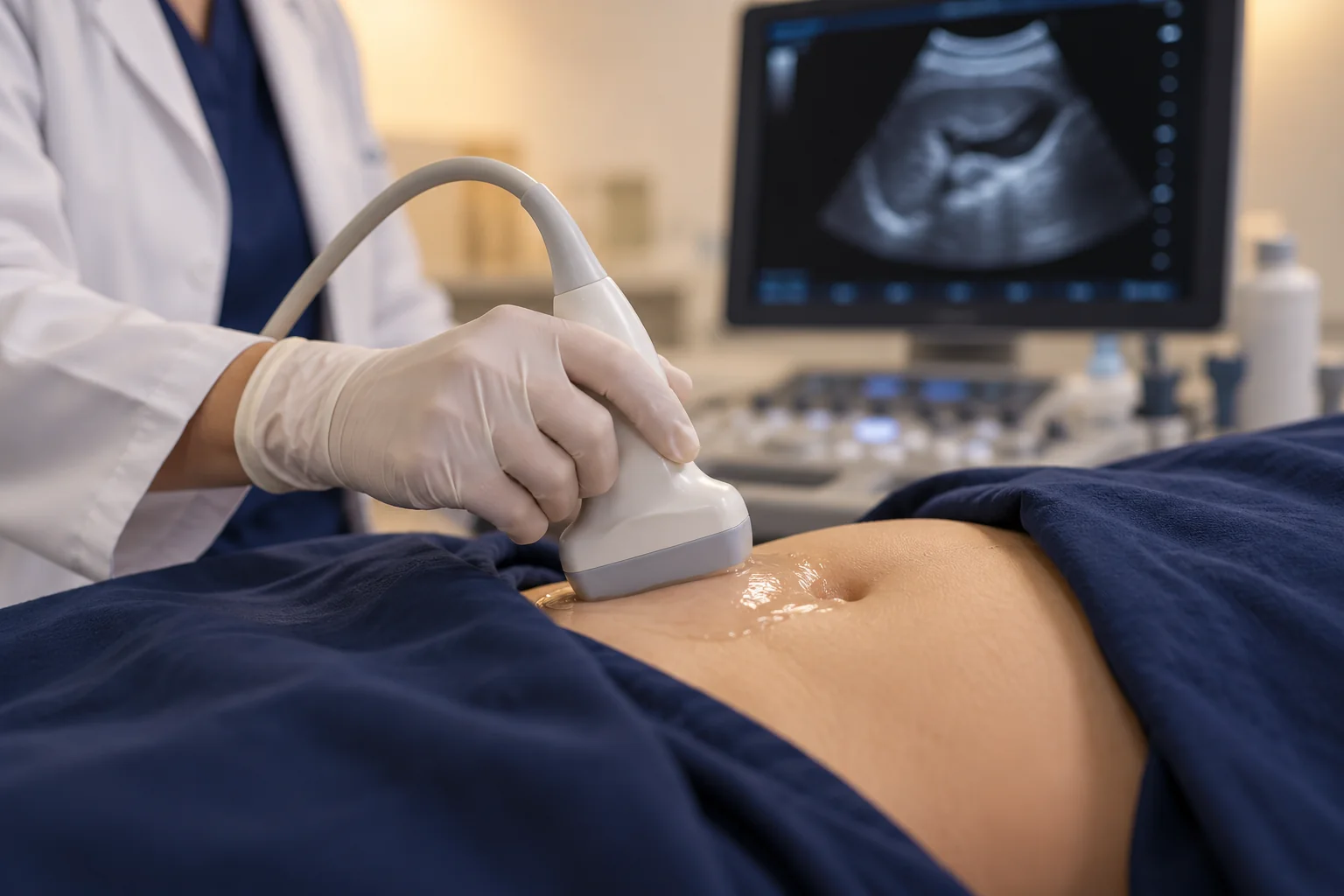
Biliary, urinary and other obstruction. Selected drainage or stenting, nephrostomy, feeding-access and gastrointestinal or airway interventions with the treating team.
Portal-hypertension and lymphatic problems. Selected gastric-varix procedures, including BRTO, and lymphangiography for appropriate lymphatic concerns.
These are consultation and treatment-planning areas. Advanced interventions depend on clinical need, the treating team and suitable hospital facilities.
04 / CONDITIONS
Diabetic foot and wound care
Foot problems can involve sensation, pressure, infection and circulation together. A new wound or change in the foot deserves prompt assessment.
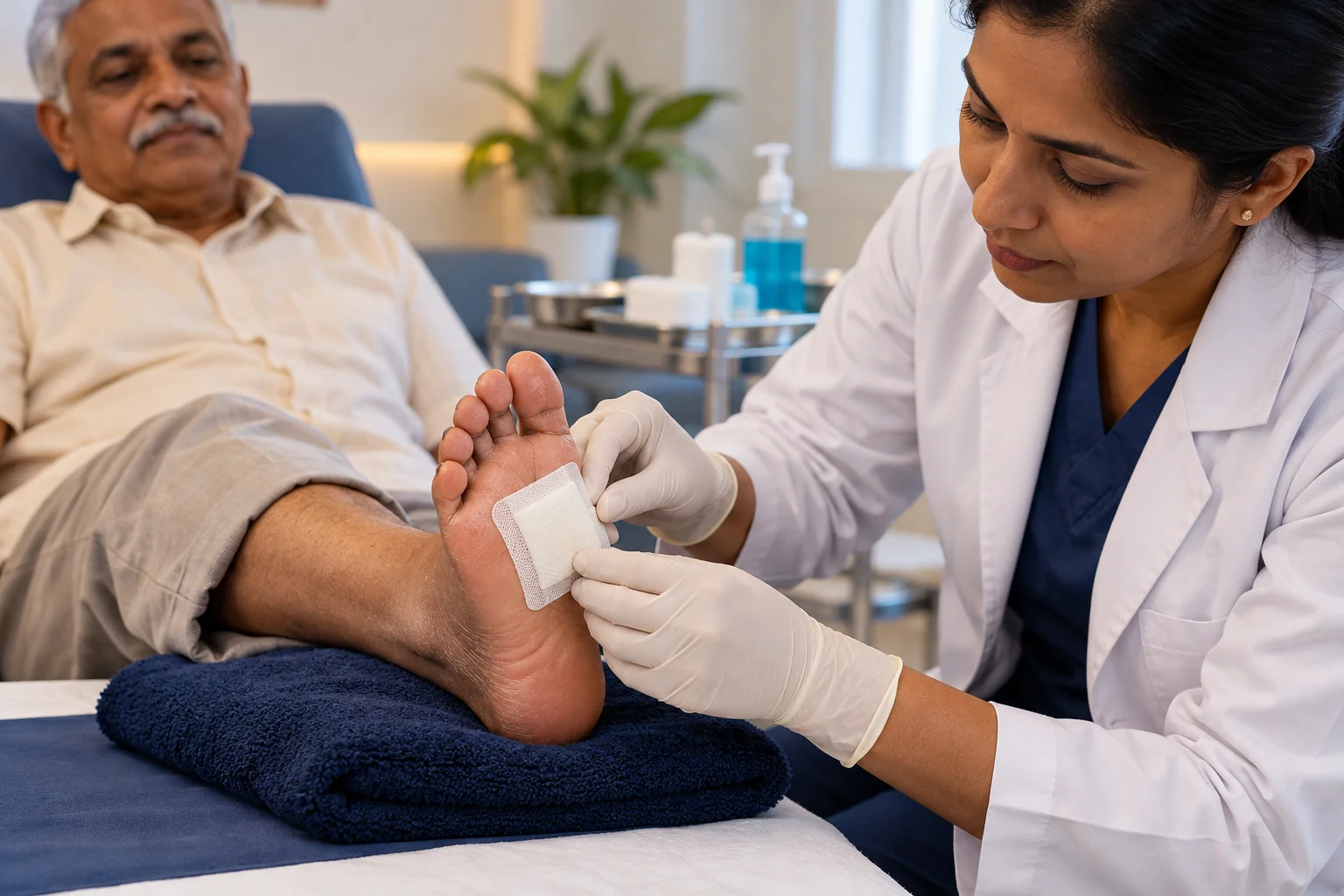
Diabetic-foot ulcers and non-healing wounds. Assessment of the wound, its depth, pressure points, infection and blood supply.
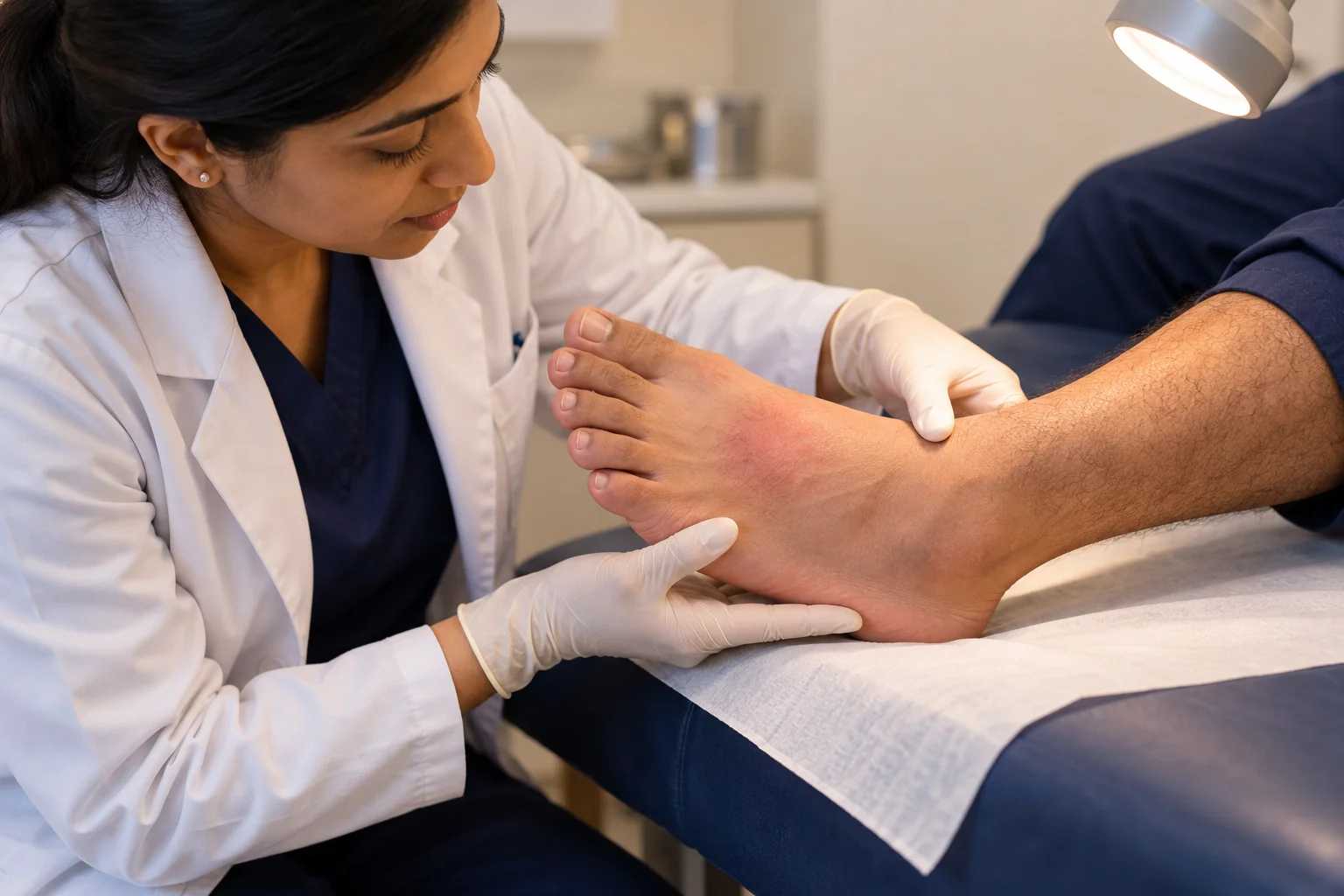
Foot infection and cellulitis. Assessment of redness, swelling, abscesses and suspected deeper or bone infection; severe infection needs hospital care.
Poor circulation and gangrene. Urgent vascular assessment and a plan for infection control, wound care and restoring blood flow when appropriate.
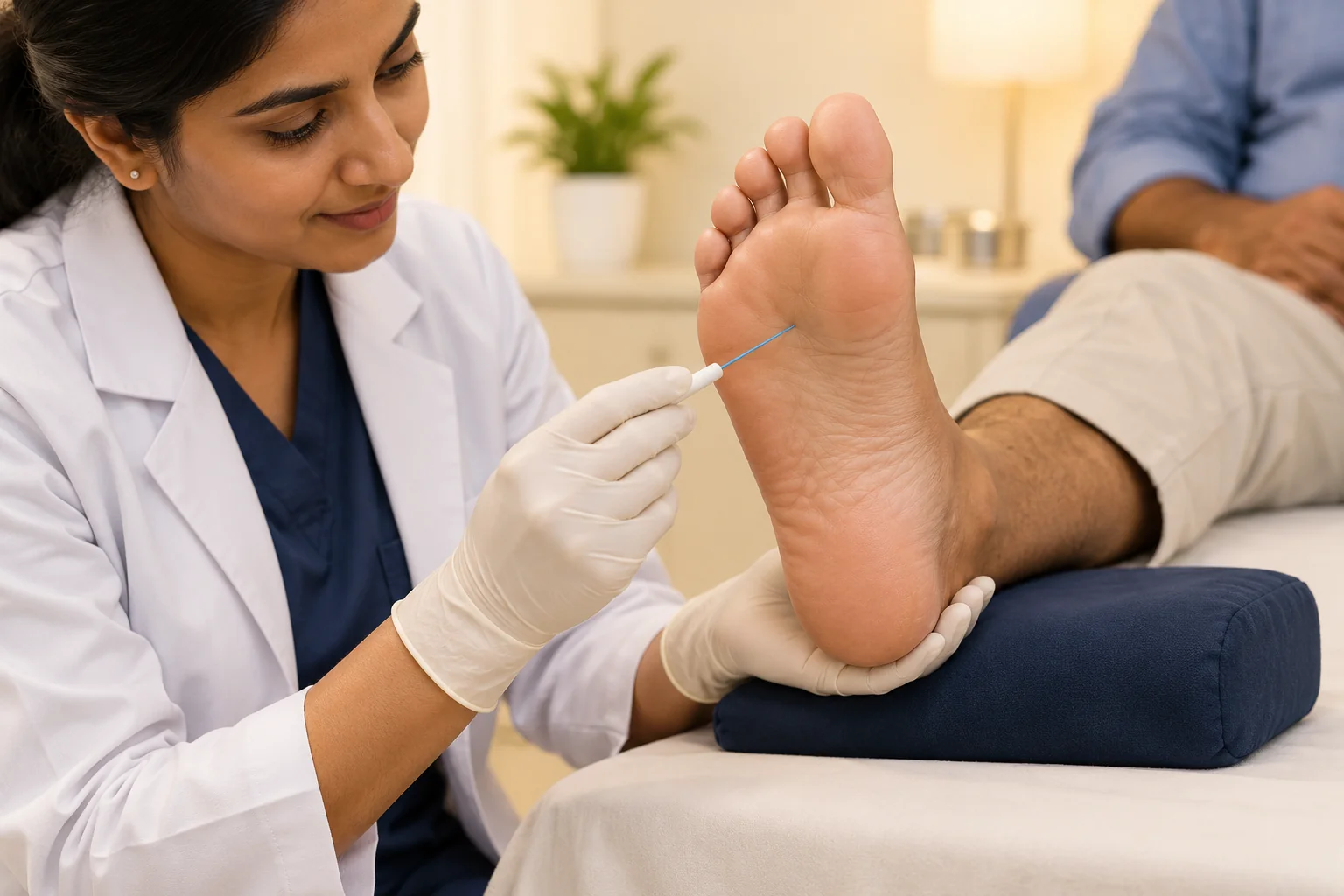
Neuropathy and loss of protective sensation. Risk assessment for numbness, reduced sensation and unnoticed injury.
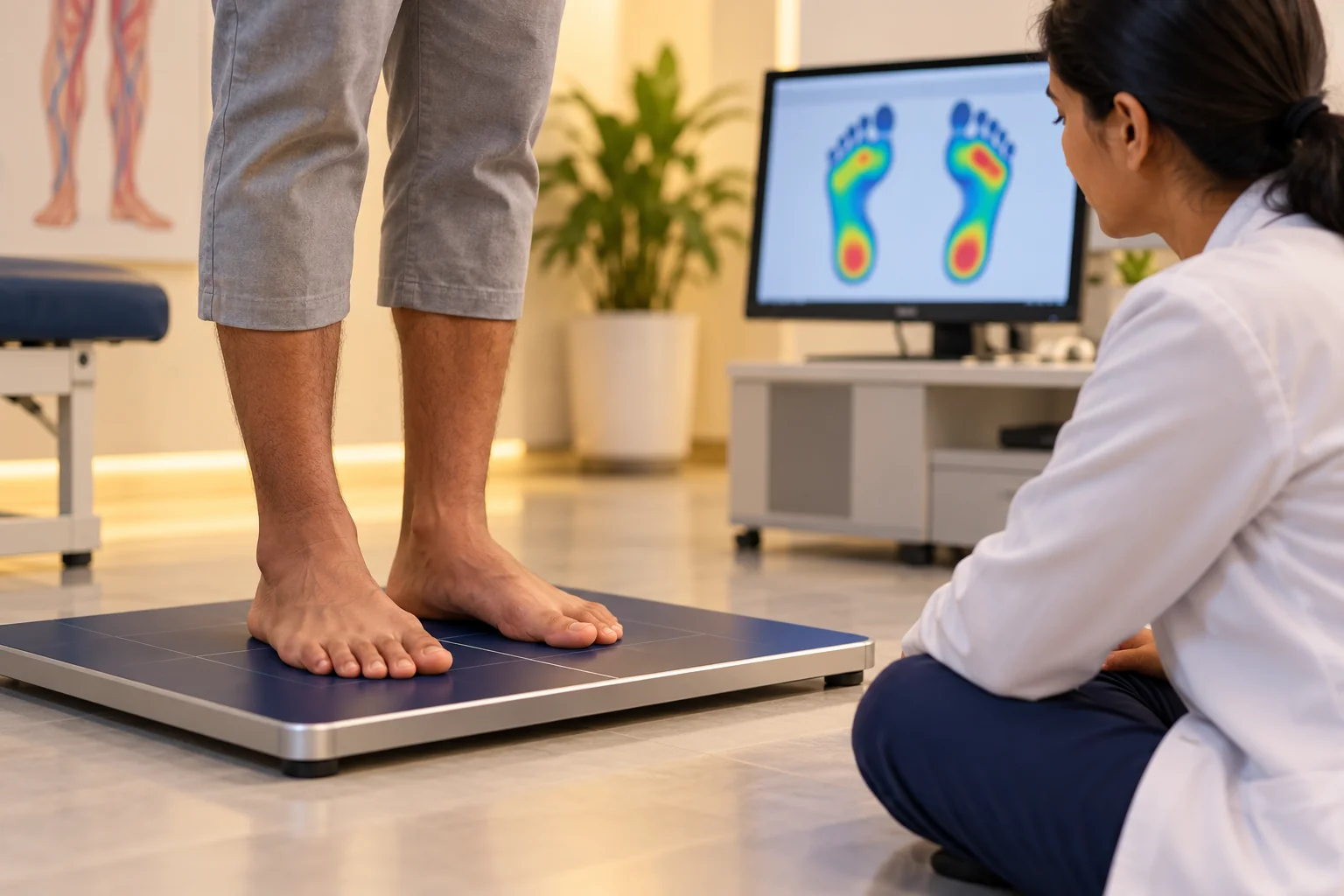
Callus, pressure injury and recurrent ulcers. Footwear and offloading advice, suitable minor care and follow-up to reduce repeated injury.

A hot, swollen foot or suspected Charcot change. Prompt assessment, pressure protection and coordinated orthopaedic or multidisciplinary referral when required.
Care may include wound cleaning, dressings, suitable debridement, offloading and circulation treatment. The plan is individualised, with diabetes care and other specialties involved as needed.
TESTING & ASSESSMENT
Find the cause. Plan the next step.
Venous and arterial Doppler / duplex ultrasound. Assesses blood flow; selected studies look for venous reflux, clots, arterial narrowing or dialysis-access problems.
Ankle–brachial index (ABI). Compares ankle and arm blood pressures as part of a circulation assessment. Additional tests may be needed when results are unreliable or do not explain the symptoms.
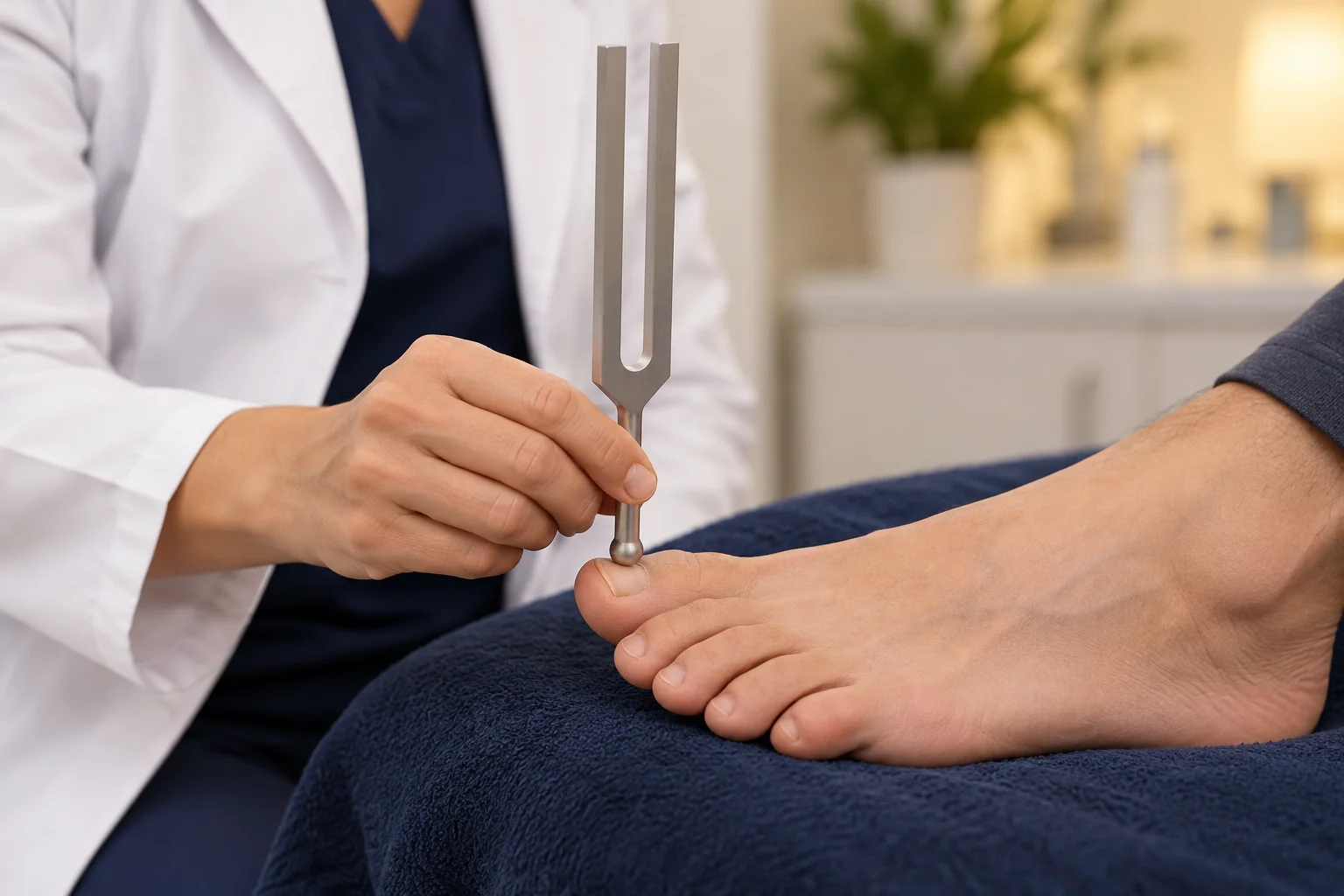
Neuropathy and vibration testing. Assesses sensation as part of a diabetic-foot risk review.
Plantar-pressure and wound assessment. Helps identify pressure distribution and factors affecting healing or repeated injury.
CT angiography, MR angiography, catheter angiography, laboratory tests or other investigations may be arranged through hospital or referral pathways when clinically needed. Not every patient needs every test.
Visit the Vascular & Diabetic Foot Laboratory → Call to confirm the investigation, preparation and appointment time.
WHEN TO SEEK URGENT HELP
Do not wait for a routine appointment.
Go to the nearest emergency department for a suddenly painful, cold, numb or weak limb; uncontrolled bleeding; sudden breathlessness or chest pain, especially with a swollen leg; or a rapidly worsening foot infection with fever or feeling very unwell. Blackening tissue also needs urgent assessment.
YOUR CARE TEAM
Specialist assessment, shared planning.
Dr. Siddharth Matad — Vascular & Endovascular Surgeon
Dr. Naveen Chandrashekhar — Vascular & Interventional Radiologist
Bring previous scans, prescriptions, blood-test reports and details of any procedures. We will discuss suitable options, alternatives, benefits and risks, and whether care belongs at the centre or a partner hospital.
QUESTIONS ABOUT YOUR CARE
Vascular care: your questions answered.
Understand how our two specialties contribute to diagnosis, treatment decisions and continuing care.
What is the care approach at Advitiya Vascular Centre?
Advitiya Vascular Centre in Jayanagar, Bengaluru brings together Dr. Siddharth Matad — Vascular & Endovascular Surgeon and Dr. Naveen Chandrashekhar — Vascular & Interventional Radiologist. The approach connects clinical assessment, appropriate diagnostic testing, treatment planning and follow-up, with input from both specialties when the condition requires it.
How can a vascular surgeon and an interventional radiologist work together?
Their areas of expertise overlap and complement each other. They can review symptoms, examination findings and imaging together, then discuss medical treatment, wound care, image-guided procedures, endovascular treatment or open surgery as appropriate. This helps build a plan around the diagnosis, anatomy, overall health and the patient’s priorities. Having two specialties available does not mean that every patient needs a procedure.
Will both doctors see me at every appointment?
The involvement of each specialist depends on the clinical problem and the care needed. Some consultations can be managed by one specialist; other cases may benefit from joint review or coordinated treatment. When booking, ask the centre whether a joint consultation is appropriate and confirm appointment arrangements and fees.
How are vein conditions assessed and treated?
Vein care starts with identifying the cause of symptoms such as visible varicose veins, swelling, skin changes or ulcers. Venous duplex ultrasound may help assess reflux, clots or obstruction. Depending on the diagnosis, options may include compression, medicines, wound care, sclerotherapy or endovenous treatment. A painful or newly swollen leg needs prompt assessment rather than an assumption that it is a simple varicose-vein problem.
How are reduced arterial circulation and blocked leg arteries managed?
Arterial care combines assessment of symptoms and circulation with tests selected for the clinical question. Treatment may include medicines, management of risk factors and an appropriate walking programme, or a procedure to restore blood flow. Angioplasty, stenting or bypass surgery is considered according to the blockage, symptoms, wound status and overall health. A suddenly painful, cold, numb or weak limb requires emergency hospital assessment.
Which conditions may benefit from interventional radiology?
Interventional radiology uses imaging to guide selected diagnostic and treatment procedures. Consultation areas include vascular malformations, fibroids, varicocele, bleeding, selected cancer-related interventions, image-guided biopsies and drainage, and certain biliary or urinary obstructions. The specialist assesses suitability and coordinates with other treating teams. Advanced procedures are arranged at hospitals with the required facilities.
Why does diabetic-foot care need more than a dressing?
A diabetic-foot wound may involve poor blood supply, infection, loss of protective sensation and pressure on the foot. Assessment looks for these contributing factors so treatment can address them together. Care may include dressings, suitable debridement, offloading, diabetes management and restoration of blood flow when indicated. Other specialties are involved when needed; healing depends on the condition and cannot be guaranteed.
Which tests help diagnose vascular and diabetic-foot problems?
The Advitiya Comprehensive Vascular & Diabetic Foot Laboratory covers enquiries for venous and arterial Doppler / duplex ultrasound, ankle–brachial index (ABI), neuropathy and vibration testing, and plantar-pressure assessment. These answer different questions about circulation, sensation and pressure. A clinician selects and interprets the tests; ABI alone may not fully explain symptoms in every patient. Confirm test availability and preparation when booking.
Does a consultation mean I will need surgery or an intervention?
No. The diagnosis and severity of the condition guide whether a procedure is needed. Medicines, compression, wound care, pressure relief, risk-factor management or observation may be appropriate in selected cases. When a procedure is advised, the discussion should cover its purpose, alternatives, risks, expected recovery and follow-up.
Are all treatments performed at the Jayanagar centre?
No. Advitiya’s Jayanagar centre provides outpatient assessment, appropriate clinic care and follow-up. Major surgery and advanced endovascular or image-guided procedures requiring operating-theatre, inpatient or other hospital facilities are coordinated at partner hospitals. The treatment plan should make clear where each part of care will take place.
Can I discuss an existing diagnosis or obtain a second opinion?
You can contact the centre for an assessment of an existing vascular or diabetic-foot concern. Bring previous scan images and reports, blood-test results, prescriptions, procedure notes and wound-treatment records when available. Explain your symptoms and treatment goals. Previous findings can inform the assessment, although additional examination or testing may still be needed.
How do I arrange a consultation in Jayanagar, Bengaluru?
Call +91 96327 83001 to discuss the concern and arrange a consultation at Advitiya Vascular Centre, No. 99, 6th Main Road, 40th Cross, Jayanagar 5th Block, Bengaluru. Tell the team whether the enquiry concerns veins, arterial circulation, interventional radiology or diabetic-foot care, and ask which reports to bring. For an emergency, seek immediate hospital care rather than waiting for a routine appointment.
Updated 24 October 2026. These answers provide general patient information; recommendations depend on an individual clinical assessment.
The care images on this page are AI-generated illustrations, not photographs of Advitiya’s patients, clinicians, premises or equipment. They illustrate the discussion and are not instructions for performing a test or treatment.
APPOINTMENTS & ENQUIRIES
Speak with the centre.
Regular appointments: 4–8 PM (IST). Emergencies: open 24/7. Call the centre for appointments and service enquiries.